


Stop Letting Wall Street Control Your Retirement
Eligible 401(k), IRA, Roth IRA, SEP IRA, SIMPLE IRA, 403(b), and former employer funds may access real assets. That includes commercial real estate, RV and boat storage, shopping centers, hospitality, industrial warehouses, land, and operating businesses.
Free Guide
Download the Free 401k Real Estate Investing Guide.
This guide explains how investors use self-directed retirement structures. It shows how to explore real assets beyond stocks, mutual funds, ETFs, and bonds.
- Self-directed IRA and 401(k) account basics
- Real estate, storage, hospitality, land, and business acquisition examples
- Rollover and transfer process overview
- Risk, compliance, and due diligence checkpoints
The Retirement Problem
Why investors are looking beyond Wall Street.
Traditional retirement accounts can become heavily dependent on public markets. Real assets may offer different drivers of value, income, control, and diversification.
Market Corrections
Public market volatility can impact concentrated retirement portfolios.
Inflation Pressure
Some investors want assets connected to demand, operations, and income.
Limited Control
Many retirement plans provide little visibility into the underlying value creation.
Low Diversification
Stocks and bonds may not provide exposure to private real asset strategies.
Interactive Asset Explorer
Explore Our Investment Opportunities Using Your Self-Directed IRA or 401(k). Select an Asset Category to Learn More.
Retail Shopping Centers
Retail centers, mixed-use assets, flex spaces, and income-focused commercial properties where location, tenants, and management matter.
Our current deals - click to view

RV & Boat Storage
Storage assets tied to population growth, outdoor recreation, vehicle ownership, local supply, occupancy, and operational discipline.
Our current deals - click to view

Hotels & Motels
Hospitality assets where brand, guest experience, renovations, pricing, and expense control can influence performance.
Our current deals - click to view

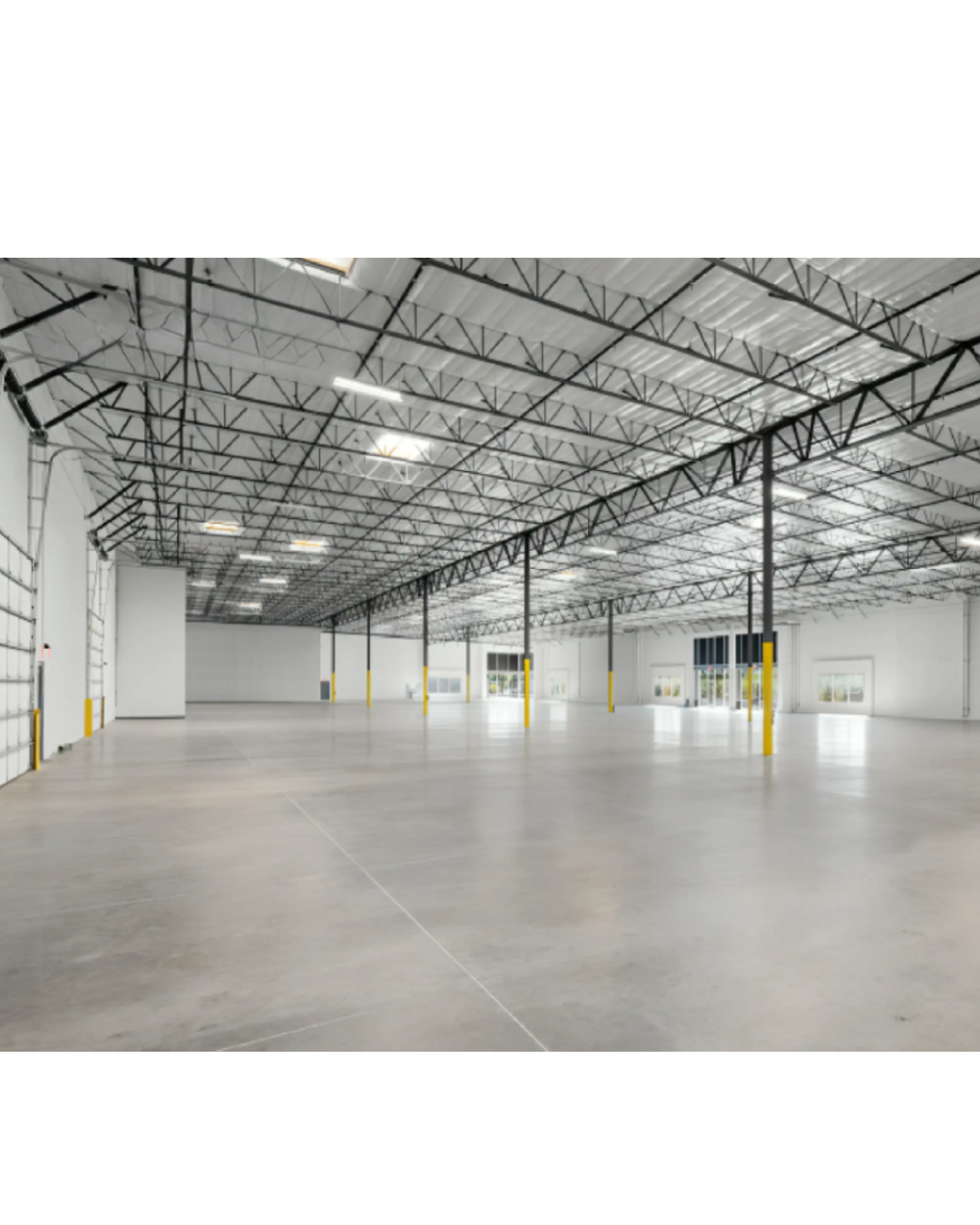
Industrial Warehouses
Warehouse and flex properties serving logistics, storage, trade, service businesses, and local industrial demand.
Our current deals - click to view
Land Acquisitions
Strategic parcels connected to growth corridors, entitlement paths, future development, or long-term asset positioning.
Our current deals - click to view

Risk And Discipline
Protect Your Retirement Investment with Proper Due Diligence
Before investing your Self-Directed IRA or 401(k), do your homework. Review the opportunity, verify account compliance, coordinate a secure fund transfer, and understand the exit strategy. Proper due diligence helps you make informed decisions.
Due Diligence
Review Investment Due Diligence
Before investing, evaluate the offering documents, financial projections, and sponsor experience. Also review asset quality, fees, risks, and potential downside scenarios.
Account Compliance
Ensure Account Compliance
Work with your self-directed IRA custodian, tax advisor, and qualified professionals to ensure your investment complies with IRS retirement account regulations.
Fund Transfer
Secure Fund Transfer
Coordinate a direct custodian-to-custodian transfer or rollover. Retirement funds move securely between qualified accounts without creating a taxable event.
Exit Strategy
Understand the Exit Strategy
Before committing capital, review the expected timeline and hold period. Also consider refinancing options, liquidity, and the projected exit strategy.
How Does This Work?
The Self-Directed IRA Rollover Process
A general overview of how retirement funds may move into a self-directed account for real asset opportunities.
Evaluate Eligibility
First, check whether your 401(k), IRA, or other qualified account is eligible for a rollover into a self-directed retirement account.
Open SD Account
Choose a qualified Self-Directed IRA (SDIRA) custodian and open your new investment account.
Don't have a custodian? Contact us and we'll be happy to refer you to a trusted Self-Directed IRA custodian.
Transfer Funds
Your retirement funds are transferred directly from your current custodian to your new Self-Directed IRA. You never take personal possession of the funds.
Review Opportunity
Carefully review the offering documents, business plan, financial projections, investment risks, and other due diligence materials before making an investment decision.
Submit Documents
Complete the subscription documents and submit all required paperwork to your custodian for investment approval and processing.
Your IRA Account Becomes the Investor
Your Self-Directed IRA becomes the legal investor in the offering, through its qualified custodian. The custodian makes the investment in your IRA's name and transfers funds directly, in accordance with IRS regulations.
Retirement funds must move directly between qualified custodians. Taking personal possession of the funds may result in taxes, penalties, or other IRS consequences.
Opening a Self-Directed IRA and completing the transfer process can take several weeks. Plan ahead to ensure your funds are available before investment deadlines.
Always consult with your tax advisor, CPA, attorney, and financial professional before making investment decisions involving retirement accounts.
Investor FAQ
Common questions before booking a consultation.
Click each question to open the answer.
Take The Next Step
Are your retirement dollars working as hard as they could be?
Download the guide or schedule a consultation to learn how eligible retirement funds may access real asset opportunities.